Evaluating Floral Classic Vintage Vector Ornaments for Design Projects
Floral classic vintage vector ornaments represent a specific category of digital design assets that bridge traditional artistic aesthetics with modern technical utility. These elements typically feature hand-drawn doodle styles, botanical illustrations, and intricate flourish ornaments rendered in scalable vector format. For designers, event planners, and DIY enthusiasts, these assets serve as foundational building blocks for creating wedding invitations, certificates, packaging, and editorial layouts. Understanding the functional characteristics and aesthetic nuances of these ornaments is essential for selecting resources that align with specific project goals rather than simply choosing based on visual appeal alone.
Defining the Asset Category
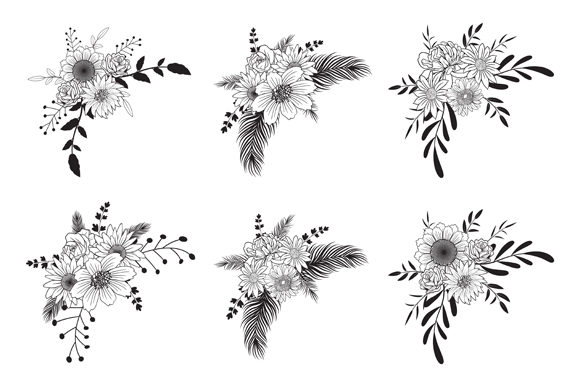
At their core, floral classic vintage vector ornaments are digital graphics created using mathematical paths rather than pixels. This distinction is critical for evaluation. Unlike raster images, these vectors allow for infinite scaling without loss of quality, making them suitable for everything from small business cards to large-format signage. The "classic vintage" descriptor usually implies a specific stylistic lineage: asymmetrical balance, organic line work, and motifs inspired by historical engraving or pen-and-ink illustration. When evaluating these assets, one must distinguish between true vector files (AI, EPS, SVG) and high-resolution raster files mislabeled as vectors. True vectors offer editability, allowing users to modify anchor points, change colors individually, and separate layered elements like frames, separators, and individual flourishes.
Primary Use Cases and Applications
The decision to utilize floral classic vintage vector ornaments often stems from a need to convey tradition, elegance, or artisanal craftsmanship. These elements are most frequently evaluated for the following applications:
- Wedding Stationery Suites: This is the dominant use case. Designers use these ornaments to create cohesive visual languages across save-the-dates, invitations, menus, and place cards. Separator elements are particularly valuable here for dividing textual information hierarchically without adding visual weight.
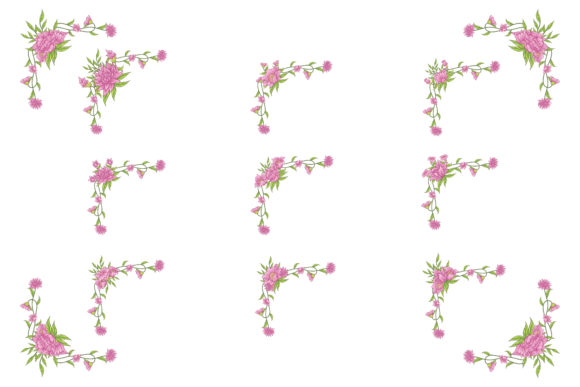
- Certificates and Awards: The formal nature of vintage flourishes provides an immediate sense of authority and occasion. Corner ornaments and border frames help establish boundaries and focus attention on central text.
- Brand Identity for Heritage Brands: Businesses in sectors like baking, floristry, or antique retail often evaluate these assets to reinforce a narrative of longevity and handmade quality.
- Editorial and Book Design: Chapter headers, drop caps, and margin decorations in print publishing rely heavily on these modular vector elements to break up dense text while maintaining thematic consistency.
Benefits of Vector-Based Vintage Assets
Selecting vector formats over raster alternatives offers distinct practical advantages that influence long-term project viability. The primary benefit is editability. A hand-drawn doodle decorative element vector flourish ornament can be customized to match exact brand color palettes or adjusted to fit unique layout constraints. If a frame is too wide, a vector can be stretched or reshaped without distorting the stroke width, provided the designer uses appropriate tools. Additionally, file sizes for complex floral arrangements remain remarkably small compared to equivalent 300 DPI PNGs, which streamlines workflow and storage. From a production standpoint, vectors ensure crisp output across all media; an invitation designed for print can be repurposed for web or social media without re-rendering or suffering from compression artifacts.
Tradeoffs and Considerations
Despite their versatility, floral classic vintage vector ornaments present specific challenges that evaluators must weigh. The most significant tradeoff is the learning curve. Editing vector flourishes requires proficiency in software like Adobe Illustrator or Affinity Designer. Users lacking these skills may find themselves unable to modify the assets effectively, negating the benefits of the vector format. In such cases, high-resolution transparent PNGs might be a more practical, albeit less flexible, alternative.
Another consideration is stylistic consistency. "Vintage" is a broad term encompassing Art Nouveau, Victorian, Edwardian, and mid-century aesthetics. Mixing ornaments from different eras or artists can result in a disjointed design. Evaluators must scrutinize line weight, curvature, and negative space to ensure all selected elements belong to the same visual family. Furthermore, licensing terms vary significantly. Some vector packs allow unlimited commercial use, while others restrict usage to personal projects or require attribution. Failing to verify license scope during the evaluation phase can lead to legal complications for commercial wedding stationers or product designers.
Situational Fit: When to Choose These Assets
Floral classic vintage vector ornaments are a strong fit when the project demands a balance of nostalgia and professional polish. They are ideal when:
- Customization is Required: The client needs a unique variation of a standard motif, or the layout requires non-standard aspect ratios.
- Multi-Format Output is Planned: The design will be used across both digital screens and physical print materials.
- Budget Constraints Exist: Commissioning a custom hand-letterer or illustrator is cost-prohibitive, but stock assets provide a viable middle ground with sufficient quality.
- Rapid Iteration is Needed: Client feedback loops require quick adjustments to decorative elements without redrawing from scratch.
When Alternatives Are Preferable
There are scenarios where evaluating alternative solutions yields better outcomes. If the goal is hyper-realism or textured grit, vectors may appear too clean or sterile. In these instances, scanned antique engravings or watercolor rasters may better capture the desired imperfection. Similarly, if the project is a one-off personal creation with no future reuse potential, the time investment in learning vector manipulation may not justify the benefit; pre-made templates or raster clip art would be more efficient. Finally, for brands seeking a strictly modern or minimalist identity, ornate vintage flourishes may communicate the wrong message, suggesting that geometric or abstract line art should be evaluated instead.
Practical Decision-Making Framework
To determine if a specific set of floral classic vintage vector ornaments aligns with your needs, apply this evaluation checklist:
- Verify Technical Integrity: Open the sample file. Are paths closed? Are layers organized? Can individual elements be isolated easily? Poorly constructed vectors create more work than they save.
- Assess Stylistic Cohesion: Do the separator elements match the corner flourishes in stroke weight and complexity? Consistency prevents the design from looking like a collage of unrelated parts.
- Confirm License Scope: Does the license cover your intended distribution volume and medium? For wedding designers selling templates, ensure extended commercial rights are included.
- Test Scalability: Scale the smallest detail down to 10% size. Does it remain legible? Overly intricate vintage details can become muddy at small sizes, limiting usability for business cards or envelope liners.
- Evaluate Color Flexibility: Are colors applied globally or hardcoded? Global swatches allow instant recoloring; hardcoded fills require tedious manual selection and replacement.
By approaching floral classic vintage vector ornaments through this analytical lens, designers and buyers can move beyond subjective preference to make informed decisions that support both aesthetic vision and practical execution. The right asset enhances workflow efficiency and design quality, while the wrong choice introduces friction and inconsistency. Careful evaluation ensures these timeless decorative elements serve their intended purpose effectively within contemporary design contexts.