Elevating Rural Wedding Stationery with Hand Drawn Floral Decorative Borders
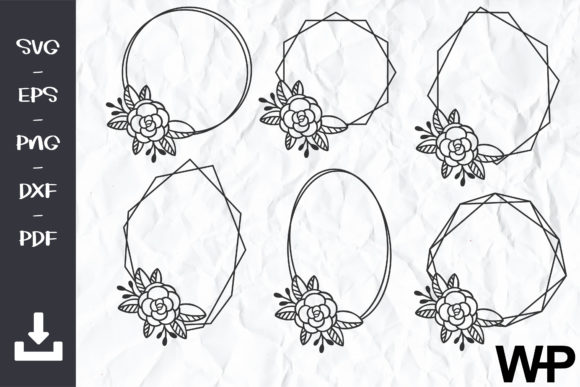
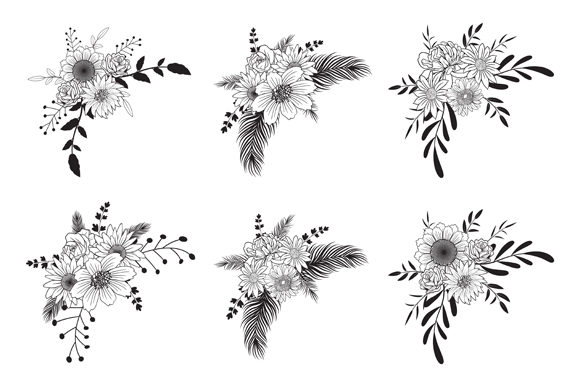
The aesthetic of a rural wedding is defined by a delicate balance between rustic charm and refined elegance. Couples planning ceremonies in barns, vineyards, or open fields often seek stationery that mirrors the organic beauty of their venue without sacrificing sophistication. This is where the specific application of a Hand Drawn Floral Decorative Border becomes transformative. Unlike rigid, computer-generated vectors, hand-drawn elements introduce a sense of warmth and human touch that aligns perfectly with the ethos of countryside celebrations. When designing save the date cards, menus, RSVP envelopes, and thank you notes, these artistic borders serve as more than mere decoration; they act as a visual thread connecting every piece of the wedding suite.
The Role of Organic Illustration in Modern Wedding Design
In an era dominated by digital minimalism, there is a resurgence of appreciation for traditional craftsmanship. Hand-drawn blossoms and ink illustrations offer a tactile quality that standard clip art cannot replicate. For rural weddings, this distinction is vital. The imperfections in a hand-drawn line suggest authenticity, echoing the natural unpredictability of outdoor venues. When a guest receives a save the date featuring a Hand Drawn Floral Decorative Border, they immediately understand the tone of the event. It signals a celebration that values artistry, romance, and personal connection over mass production.
This style of illustration pairs exceptionally well with various typography choices. The fluidity of hand-drawn florals complements the structured elegance of serif fonts while harmonizing beautifully with loose, modern calligraphy. Designers often use these borders to frame essential information, guiding the eye naturally across the layout. Whether enclosing a menu list or highlighting a couple’s names on an invitation, the border acts as a functional design element that organizes content while enhancing the overall romantic atmosphere.
Integrating Borders Across the Entire Wedding Suite
Consistency is key to professional wedding stationery. A cohesive suite tells a unified story, and repeating a specific Hand Drawn Floral Decorative Border motif creates instant recognition. However, the application should vary slightly to suit different formats and functions.
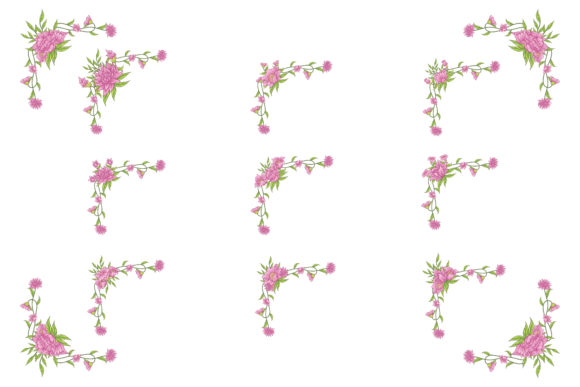
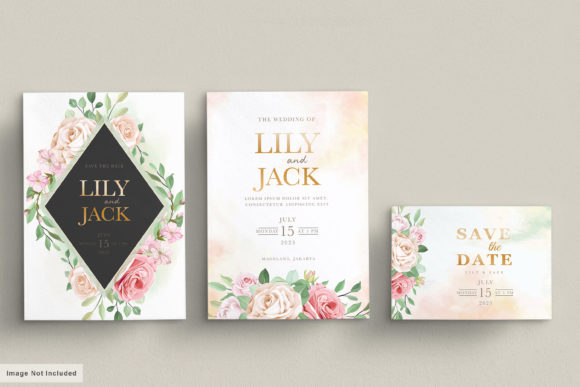
- Save the Date Cards: These are often smaller and less formal. A partial border or corner embellishment works best here, leaving ample negative space for the date and venue details. The hand-drawn style sets an anticipatory tone without overwhelming the practical information.
- Main Invitations: This is where the full border shines. Framing the text with intricate ink work elevates the perceived value of the invitation. For rural themes, incorporating wildflowers, ferns, or eucalyptus into the border design reinforces the venue's natural setting.
- Menus and Programs: Vertical layouts benefit from side borders or top-and-bottom framing. Because menus contain dense text, the border should be lighter or more spaced out to ensure readability remains the priority. Hand-drawn dividers can also separate courses or sections within the menu.
- RSVP and Thank You Cards: These items complete the cycle. Using a simplified version of the main border maintains continuity. On thank you notes, a floral header or footer provides a beautiful backdrop for handwritten messages, blending printed artistry with personal penmanship.
Selecting the Right Botanical Style for Your Venue
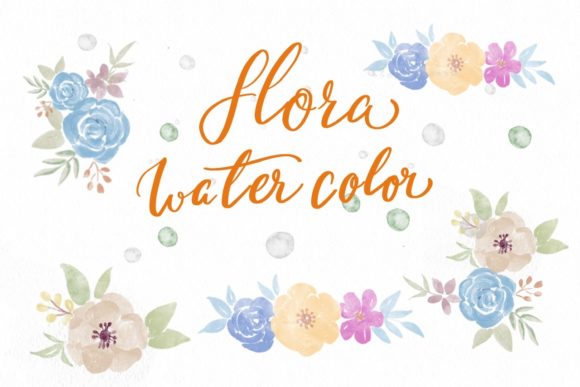
Not all floral borders suit every rural setting. The specific type of hand-drawn illustration should reflect the season and landscape of the wedding. Understanding botanical symbolism and visual weight helps in making the right choice. A summer garden wedding might call for lush peonies and roses rendered in soft watercolor-style ink lines, suggesting abundance and romance. Conversely, an autumn barn wedding might feature wheat stalks, berries, and dried foliage sketched with bolder, more textured strokes.
The density of the Hand Drawn Floral Decorative Border also impacts the printing method and paper choice. Intricate, detailed line work looks stunning on smooth cotton cardstock, which allows fine ink lines to remain crisp. If the design includes heavier shading or wash effects, a textured linen paper can enhance the vintage feel. Couples should consider how the border interacts with their chosen color palette. Monochromatic ink drawings offer timeless versatility and cost-effectiveness, while colored illustrations can tie directly into the bridal party’s attire or table linens.
Balancing Calligraphy and Illustration
One of the most common challenges in wedding stationery design is ensuring that decorative elements do not compete with legibility. Hand lettering and calligraphy are central to rural wedding aesthetics, but they require breathing room. A successful layout treats the Hand Drawn Floral Decorative Border and the text as partners rather than adversaries.
When using elaborate script fonts for names or headers, opt for a border with simpler lines or place the florals exclusively at the corners. If the border is dense and ornate, consider switching to a cleaner sans-serif or classic serif font for the body text. This contrast prevents visual fatigue and ensures guests can easily read critical details like dates, times, and locations. White space is not empty space; it is an active design component that allows both the hand-drawn art and the typography to be appreciated fully.
Practical Considerations for Printing and Production
Bringing hand-drawn designs to life requires attention to technical specifications. While digital files make sharing easy, the final printed product depends on resolution and color accuracy. Vectors are ideal for scaling borders without losing quality, but true hand-drawn scans bring a unique texture that vectors sometimes lack. Many designers now offer high-resolution raster files specifically optimized for print, preserving the grain of the paper and the bleed of the ink.
Couples working with a stationer should discuss the following practical factors:
- Bleed and Safety Margins: Hand-drawn borders often extend to the edge of the card. Ensuring proper bleed prevents white edges after trimming, while safety margins keep crucial floral details from being cut off accidentally.
- Paper Texture Compatibility: Heavily textured papers can break up fine ink lines. Requesting a physical proof is essential when pairing detailed hand-drawn borders with specialty stocks like kraft or handmade paper.
- Envelope Coordination: The border design shouldn't stop at the card edge. Custom envelope liners featuring a scaled-down version of the floral border create a luxurious unboxing experience that reinforces the rural, bespoke theme.
The Emotional Impact of Artisanal Details
Ultimately, the decision to use a Hand Drawn Floral Decorative Border is about more than aesthetics; it is about communication. In a digital-first world, receiving something crafted by human hands carries significant emotional weight. It tells guests that the couple has invested thought and care into every aspect of their celebration. For rural weddings, where the focus is often on intimacy and connection, these artistic touches bridge the gap between formal tradition and personal expression.
The versatility of hand-drawn florals allows them to adapt to evolving trends while remaining timelessly appropriate. They can be styled to look vintage and antique or fresh and contemporary simply by adjusting the accompanying typography and color scheme. Whether used as a bold statement piece on an invitation or a subtle accent on a place card, these borders enrich the narrative of the day. They transform standard stationery into keepsakes that guests will want to preserve long after the last dance has ended.
By prioritizing authentic illustration and thoughtful layout, couples can create a wedding suite that feels genuinely rooted in its environment. The interplay of ink, paper, and botany captures the essence of rural romance in a way that polished, generic templates simply cannot. It is this dedication to artisanal detail that makes hand-drawn floral borders an enduring favorite for meaningful, memorable weddings.