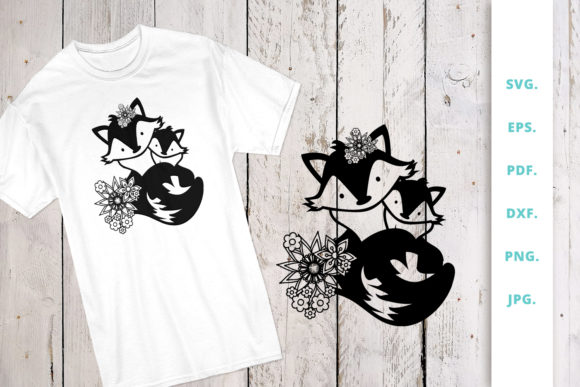
Floral Cute Fox: A Versatile Design Asset for Creative Projects
Understanding the Appeal of Whimsical Wildlife Illustrations
The intersection of botanical elements and anthropomorphic animal characters has established a lasting niche in graphic design and digital crafting. The Floral Cute Fox represents a specific archetype within this genre that combines the organic softness of flower motifs with the playful, recognizable silhouette of a fox. This design choice is not merely aesthetic; it serves a functional purpose in visual communication by evoking feelings of warmth, safety, and nostalgia. For designers and hobbyists alike, understanding why this specific imagery resonates is crucial for effective application. The sweetness inherent in the illustration style lowers cognitive barriers, making it an ideal vehicle for messages related to celebration, new beginnings, and childhood milestones.
Unlike generic clip art, a high-quality floral fox illustration carries a distinct personality that can anchor an entire brand identity or event theme. The integration of flowers suggests growth and natural beauty, while the fox adds a touch of cleverness and curiosity. This duality allows the asset to bridge the gap between juvenile and sophisticated aesthetics, making it appropriate for baby showers as well as artisanal product packaging. When selecting such assets, professionals look for versatility in expression and composition, ensuring the character can be adapted across various media without losing its core charm or legibility at different scales.
Technical Specifications and File Format Utility
A critical aspect of utilizing digital design assets lies in understanding the technical deliverables. Access to multiple file formats ensures that the Floral Cute Fox remains usable across different software ecosystems and production methods. The inclusion of six distinct file types addresses the diverse needs of modern creators:
- EPS CC File: The Encapsulated PostScript format is the industry standard for vector graphics. Being compatible with Adobe Illustrator CC and later versions, this file allows for infinite scaling without pixelation. It is essential for large-format printing like wall art or banners and enables deep editing of individual paths, colors, and shapes.
- SVG File: Scalable Vector Graphics are optimized for web use and consumer cutting machines like Cricut and Silhouette. This format retains crisp edges at any size and is often code-based, allowing for animation or dynamic color changes in web development contexts.
- DXF File: Drawing Exchange Format is specifically tailored for CAD and laser cutting applications. For crafters using vinyl cutters or laser engravers, the DXF provides clean line work necessary for precise physical fabrication of the fox design on wood, acrylic, or fabric.
- PNG File (High Resolution): Portable Network Graphics offer lossless compression with transparency support. A high-resolution PNG is indispensable for digital scrapbooking, overlaying onto colored backgrounds, or creating merchandise mockups where a transparent background is required to blend seamlessly with the substrate.
- JPEG File (High Resolution): While lacking transparency, high-res JPEGs provide excellent color fidelity and smaller file sizes for quick previews, social media sharing, or standard photo printing where a white background is acceptable.
- PDF File: Portable Document Format ensures consistent rendering across devices. This is particularly useful for print-ready projects, stationery design, and sharing proofs with clients who may not have specialized design software.
It is important to note that while presentation mockups demonstrate potential applications, they are for visualization purposes only. The actual value lies in these raw source files, which grant the user full ownership and creative control over the final output.
Applications in Event Stationery and Paper Crafts
One of the most immediate uses for a sweet and adorable floral fox is in the realm of paper goods. Invitations set the tone for any gathering, and this motif is exceptionally well-suited for events centered around youth and nature. For birthday parties, the character acts as a thematic anchor that can be repeated across invites, thank-you cards, and party favor tags. In scrapbooking, the high-resolution PNG and SVG formats allow enthusiasts to create layered compositions. The vector nature of the EPS file means that elements of the fox, such as the floral crown or tail details, can be isolated and used as standalone embellishments on journal pages or memory books.
Beyond personal crafting, professional stationers utilize this type of imagery for wedding and baby shower suites. The "cute" factor is balanced by the intricate floral details, allowing it to mature into a more elegant aesthetic when paired with serif typography and muted color palettes. Calendars also benefit significantly from this asset class. A monthly calendar featuring a seasonal variation of a floral fox creates a cohesive narrative throughout the year. Because the vector files allow for easy recoloring, a designer can adapt the same base illustration to reflect spring blossoms, summer greenery, autumn leaves, or winter berries, providing twelve months of unique yet thematically consistent content from a single master design.
Textile Printing and Apparel Customization
The transition from paper to fabric requires specific technical considerations, all of which are supported by the provided file suite. For clothing and baby clothes, the softness of the floral fox design aligns perfectly with the tactile expectations of children's wear. Direct-to-Garment (DTG) printing benefits from the high-resolution PNG, capturing subtle gradients and fine lines in the floral arrangements. Conversely, screen printing relies on the vector EPS or SVG files to create clean separations for each ink color, ensuring sharp registration on cotton or linen fabrics.
In the nursery sector, this motif extends beyond apparel to bedding, curtains, and wall hangings. Large-scale printing for these items demands vector integrity; rasterizing a low-quality image would result in visible artifacts on a crib sheet or canvas print. The EPS CC file ensures that the design remains crisp even when scaled to cover a twin-sized duvet. Furthermore, the DXF file opens possibilities for embroidered patches or appliqué patterns. Digitizers can import the vector lines directly into embroidery software to create stitch paths, transforming the digital illustration into a textured, tangible element on bibs, onesies, or decorative pillows. This multi-modal adaptability makes the asset a cornerstone for small businesses specializing in bespoke children's goods.
Strategic Considerations for Commercial and Educational Use
Educators and researchers focusing on early childhood development understand that visual stimuli play a role in engagement and emotional regulation. A Floral Cute Fox can serve as a friendly mascot in classroom materials, worksheets, and educational posters. The non-threatening, affectionate nature of the illustration helps create a welcoming learning environment. For teachers creating their own resources, the ability to modify the vector file means they can adjust the complexity of the image to suit different age groups—simplifying lines for coloring pages for toddlers or retaining detail for botany lessons for older children.
From a business perspective, licensing and usage rights are paramount. When acquiring digital assets for commercial products like printed t-shirts or sold stationery, verifying that the ZIP file includes source vectors is a best practice. Raster-only bundles limit scalability and professional modification. The presence of both EPS and SVG formats indicates a professional-grade asset prepared for serious production workflows. Additionally, designers should consider color management. While the mockups may display vibrant RGB colors intended for screens, printing on fabric or paper requires CMYK conversion. Working from the EPS file allows for accurate color profiling to ensure the "sweet and adorable" hues translate correctly from monitor to physical product, maintaining brand consistency across all touchpoints.
Optimizing Workflow Across Different Platforms
Efficiency in creative workflows often depends on choosing the right file for the specific tool at hand. Understanding the ecosystem of digital crafting prevents frustration and wasted time. For users of Cricut Design Space or Silhouette Studio, the SVG is typically the superior choice because it imports with layers intact, allowing for selective cutting or weeding. However, if the design contains complex gradients or shading that cannot be represented in pure vector cuts, the high-resolution PNG becomes necessary for "Print then Cut" features. Similarly, users of Procreate or Photoshop will find the PNG most immediately useful for digital painting and compositing, while those in Adobe Illustrator or Affinity Designer should always default to the EPS to maintain editability.
For those engaging in sublimation printing, the combination of high resolution and vibrant color is key. Sublimation ink bonds with polyester fibers at a molecular level, requiring detailed source imagery to avoid blurriness. The high-res JPEG or PNG included in the package serves this purpose well, provided the DPI is sufficient (typically 300 DPI at print size). Meanwhile, laser cutter operators must pay attention to line weight in the DXF file. Hairline strokes may not register correctly or could cause burning issues depending on the material thickness. Pre-processing the vector file to ensure appropriate stroke widths and removing duplicate nodes is a standard step before sending the floral fox design to the machine. Mastery of these technical nuances transforms a simple cute illustration into a professional-grade production asset capable of generating revenue and delight across countless applications.