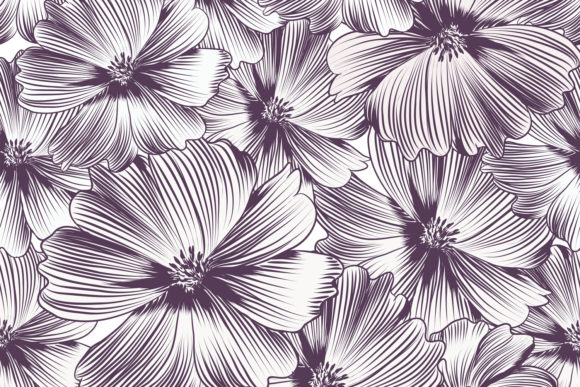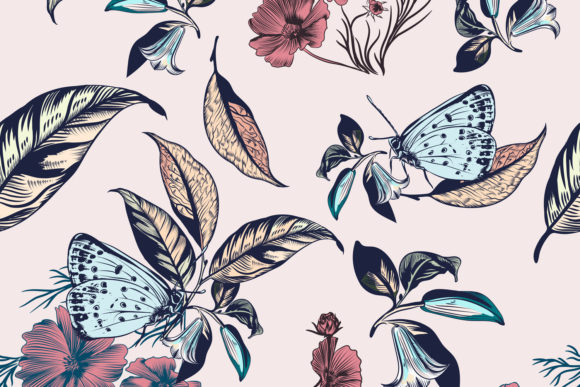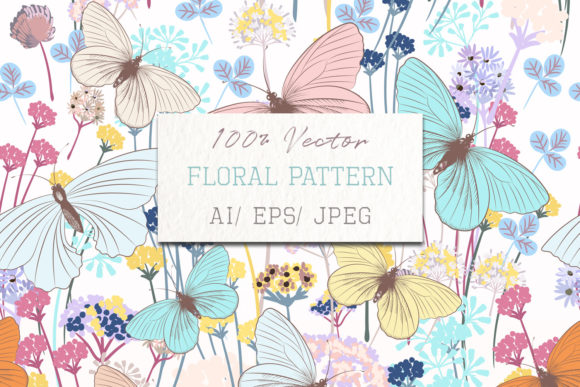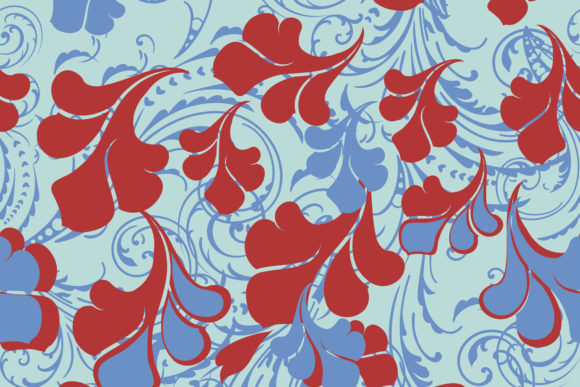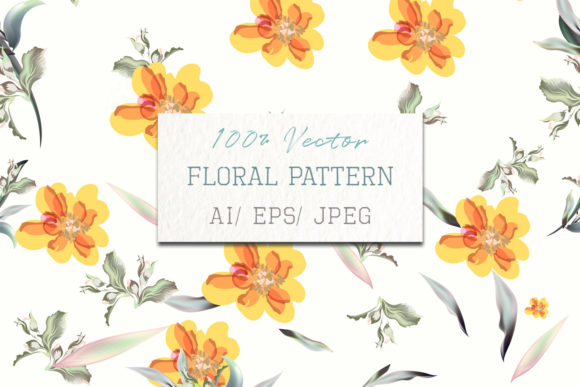
Floral Pattern with Flowers and Foliage: Vector Design
Elevating a design project often comes down to the quality of the foundational assets. A Floral Pattern with Flowers and Foliage serves as more than just a decorative background; it acts as a versatile visual language that communicates growth, elegance, and organic beauty. When this aesthetic is combined with the technical precision of vector art, the result is a resource that bridges the gap between hand-drawn charm and professional scalability. For designers, marketers, and creators, having access to a collection of 100 vector art pieces in this style opens up a spectrum of possibilities that raster images simply cannot match.
The true value of this specific floral pattern lies in its dual nature. It retains the delicate, imperfect lines of hand-drawn illustration while offering the mathematical cleanliness of vector paths. This means you can scale the artwork from a small business card icon to a massive billboard without losing a single detail or introducing pixelation. Whether you are designing packaging for an artisanal tea brand or creating digital assets for a wedding website, the integrity of the foliage and flower details remains pristine at any resolution.
Technical Versatility for Professional Workflows
Understanding the file structure is essential for maximizing utility. This package includes an AiCS2 file, an EPS10 file, and a high-resolution 5000x5000 px JPEG preview. The inclusion of the EPS10 format is particularly significant for cross-platform compatibility. While Adobe Illustrator users will appreciate the native AiCS2 file for direct editing, the EPS10 ensures that those using CorelDRAW, Affinity Designer, or older versions of Creative Suite can still access and manipulate the vectors. This backward compatibility prevents workflow bottlenecks when collaborating with teams using diverse software ecosystems.
The 5000x5000 px JPEG preview serves a practical purpose beyond simple inspection. For web designers and social media managers who need immediate visuals without opening heavy vector software, this high-resolution raster version allows for rapid prototyping and mockup creation. However, for final production, the vector files ensure that your output is always crisp. This separation of preview and source material streamlines the creative process, allowing you to move quickly during the ideation phase and refine with precision during execution.
Applications in Brand Identity and Packaging
For entrepreneurs and small business owners, a cohesive visual identity is paramount. A Floral Pattern with Flowers and Foliage provides an instant thematic anchor for brands in the beauty, wellness, culinary, and lifestyle sectors. Because these are vectors, individual elements can be isolated, recolored, and rearranged to create custom brand assets. You might extract a single fern frond for a logo accent or use the full seamless pattern for product packaging.
- Product Labels: Scale intricate botanical details down to fit small jar labels without losing legibility.
- Shopping Bags and Tissue Paper: Create immersive unboxing experiences with large-scale, repeating patterns.
- Business Stationery: Use subtle opacity adjustments to turn bold floral art into elegant letterhead watermarks.
- Social Media Templates: Build reusable story and post templates where floral elements frame content dynamically.
The ability to edit colors within the vector file means this single asset pack can serve multiple clients or product lines. A warm, earthy palette might suit a sustainable skincare line, while shifting the same foliage to cool blues and silvers could transform it for a winter holiday campaign. This adaptability makes the investment in vector art significantly more cost-effective than commissioning new illustrations for every seasonal shift.
Digital Design and Web Implementation
In the digital realm, performance and responsiveness are key. Vector-based floral patterns offer unique advantages for web and app design. Unlike heavy photographic textures, vector patterns can often be optimized to smaller file sizes, improving page load times while maintaining visual richness on retina displays. For bloggers and educators creating digital courses or e-books, these patterns provide a way to add texture and warmth to layouts that might otherwise feel sterile.
Consider the user experience when applying these patterns. In web design, busy florals can sometimes compete with text. The hand-drawn characteristic of this collection helps mitigate this issue because the organic lines tend to recede visually better than sharp, geometric digital repeats. By adjusting the layer blending modes or reducing saturation in your design software, you can create backgrounds that enhance readability rather than hinder it. This balance is crucial for maintaining accessibility standards while delivering an aesthetically pleasing interface.
Print Media and Large Format Adaptation
Print designers face the constant challenge of resolution requirements. Standard raster patterns often fail when scaled up for event signage, trade show booths, or wall murals. With 100 vector art options, you have a library of solutions for large-format printing. The infinite scaling capability ensures that a floral motif looks just as intentional on a 10-foot banner as it does on a wedding invitation.
For publishers and freelancers working on book covers or editorial spreads, the variety within the collection prevents repetitive fatigue. You can mix and match different flowers and foliage types to create unique compositions for each chapter header or section divider. The hand-drawn aesthetic adds a layer of craftsmanship that resonates with readers, suggesting that the publication was curated with care. This tactile quality is difficult to achieve with purely digital, algorithmic patterns.
Customization Strategies for Originality
To keep your work original and audience-friendly, avoid using the patterns exactly as they appear out of the box. Treat the downloaded files as raw ingredients rather than finished meals. Deconstruct the composition to build something uniquely yours. Here are practical approaches to customization:
- Element Isolation: Ungroup the vector clusters to separate individual blooms from leaves. Scatter them manually to create a non-repeating, bespoke layout.
- Color Grading: Apply global color swatches to match specific Pantone references or brand guidelines instantly.
- Mixed Media Integration: Combine the vector florals with grain overlays, paper textures, or photography to soften the digital edge and enhance the hand-drawn feel.
- Negative Space Utilization: Use the foliage as a masking layer to reveal typography or images underneath, integrating the pattern directly into the information hierarchy.
This level of manipulation is only possible because the artwork is vector-based. Rasterizing too early limits these creative avenues. By staying in the vector environment until the final export, you retain maximum flexibility to iterate based on client feedback or personal refinement.
Practical Considerations and Usage Rights
When incorporating stock assets into commercial work, organization and clarity are vital. Keep your source files labeled and categorized so you can easily locate specific motifs for future revisions. Since mockups are not included in this download, you will need to apply the patterns to your own presentation templates. This actually benefits the end result, as it forces you to visualize the pattern in the context of your specific project rather than relying on generic placeholders that may not reflect real-world application.
Creating this illustration was a work of joy, and that sentiment translates into the fluidity of the lines. As you integrate this Floral Pattern with Flowers and Foliage into your workflow, remember that the best designs are those where the decoration supports the function. Use the 100 vector art pieces to solve layout problems, guide the viewer’s eye, and evoke emotion, but always ground your creativity in the practical needs of your audience. Happy creating.