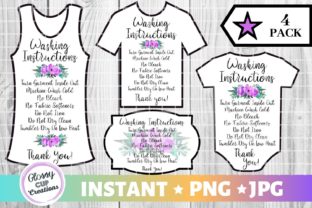
Elevating Handmade Apparel with Garment Care Cards - Purple Floral Designs
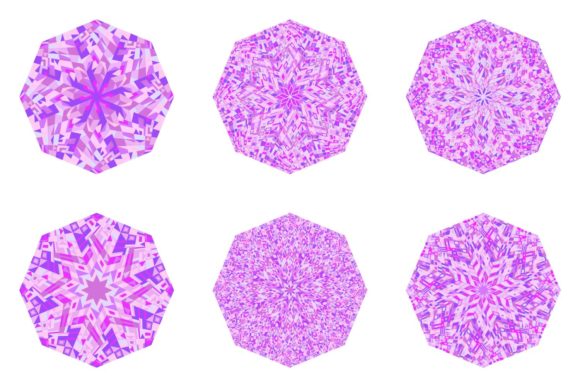
The distinction between a homemade craft and a professional, boutique-quality product often lies in the finishing details. While stitching precision and fabric selection are paramount, the post-purchase experience defines brand perception for creators and small business owners. Integrating Garment Care Cards - Purple Floral into your packaging workflow serves as both a functional necessity and an aesthetic enhancement. These digital assets, typically provided as a zip file containing four PNG and four JPG formats, offer a versatile solution for communicating essential maintenance instructions while reinforcing a cohesive visual identity. Understanding how to leverage these specific design elements can transform a simple transaction into a memorable customer interaction.
Technical Versatility of Digital Asset Formats
The utility of garment care templates is heavily dependent on their file structure and compatibility with modern fabrication tools. The inclusion of both PNG and JPG formats within a single zip archive addresses distinct technical requirements for print-to-cut workflows and standard printing alike. For users operating electronic cutting machines such as Cricut or Silhouette, the PNG files are indispensable. These raster images support transparent backgrounds, allowing the cutting software to accurately detect contour lines without capturing unwanted white space. This transparency ensures that when you resize and print as many as you would like, the resulting cards maintain crisp edges and precise dimensions regardless of the scale adjustment.
Conversely, the JPG variants serve high-resolution printing needs where background transparency is unnecessary. These files are optimized for color fidelity and are ideal for batch printing on home inkjet printers or professional cardstock services. Having four distinct variations in each format prevents design fatigue; it allows sellers to rotate designs seasonally or match specific floral patterns to different garment types. This flexibility ensures that the Purple Floral motif remains fresh across various collections, whether applied to delicate lace lingerie, sturdy denim jackets, or children’s cotton wear. The ability to resize these assets without significant quality loss is critical for creators who produce items ranging from infant accessories to adult outerwear, as care card dimensions must be proportional to the item being packaged.
Optimizing Print-to-Cut Workflows
Achieving professional results with print-to-cut technology requires more than just loading the file; it demands an understanding of material interaction. When utilizing the Garment Care Cards - Purple Floral PNGs, registration marks must be clearly visible to the machine's optical sensor. Users should select matte or satin-finish cardstock rather than glossy photo paper, as glare can interfere with sensor accuracy during the cutting phase. Furthermore, because these designs feature intricate floral details, setting the blade depth correctly is vital to prevent tearing through delicate petal illustrations while ensuring a clean cut through the paper substrate.
Color management also plays a significant role in maintaining the integrity of the purple floral aesthetic. Screens display colors using RGB light, while printers use CMYK ink. Without proper calibration, vibrant digital purples may print as dull lavenders or muddy blues. Creators should perform test prints on their intended cardstock before committing to large batches. Adjusting saturation levels in the printing software can help bridge the gap between screen preview and physical output, ensuring the final product matches the digital promise of the zip file assets.
Strategic Communication Through Aesthetic Design
Care labels are frequently discarded because they are visually unappealing or difficult to read. The Purple Floral design philosophy counters this by turning instructional content into a keepsake element. Psychologically, recipients are more likely to retain information presented in an aesthetically pleasing format. The softness associated with floral imagery subconsciously suggests gentleness, which aligns perfectly with messages regarding hand washing, air drying, or delicate cycles. This visual cue reinforces the textual instruction, making compliance with care guidelines more intuitive for the end user.
For educators and researchers studying consumer behavior in textile maintenance, these cards represent a case study in functional design. They demonstrate how decorative elements can serve as cognitive anchors for practical information. In a retail environment, the consistent use of a specific color palette, such as purple florals, aids in brand recognition. Customers begin to associate that specific visual pattern with quality and attention to detail. This is particularly relevant for hobbyists transitioning to commercial sales, as it establishes a professional standard without the overhead costs of custom offset printing. The digital nature of the asset means branding can evolve instantly; if a business pivots from vintage styles to modern minimalism, new digital files can be integrated immediately without disposing of obsolete physical inventory.
Bridging the Gap Between Creator and Consumer
Beyond aesthetics, these cards fulfill a critical educational role. Many consumers lack comprehensive knowledge of textile care, leading to premature garment failure and dissatisfaction. By providing clear, beautifully formatted instructions, sellers reduce return rates and negative reviews related to shrinkage or damage. The Garment Care Cards - Purple Floral act as a tangible extension of the maker’s expertise. They signal that the creator understands the materials used and cares about the longevity of the piece. This builds trust, which is the currency of the handmade marketplace.
Furthermore, these cards provide valuable real estate for secondary communication. The reverse side or margins of the floral design can accommodate QR codes linking to video tutorials, social media handles, or reorder pages. Because the user is already engaged with the card to learn how to wash the item, they are in a receptive state for additional brand messaging. This multi-functional approach maximizes the value of every square inch of packaging material.
Material Selection and Sustainability Considerations
The choice of substrate for printing these digital designs significantly impacts both the perceived value and environmental footprint of the product. While the zip file provides the visual template, the physical execution determines durability. Uncoated, recycled cardstock offers an eco-friendly narrative that complements the natural themes often associated with floral designs. However, uncoated papers absorb more ink, potentially muting the vibrancy of the purple hues. Coated stocks preserve color intensity but may feel less organic. Creators must balance visual impact with tactile experience based on their target demographic.
Sustainability extends beyond paper choice to the efficiency of the printing process. Since users can resize and print as many copies as needed, waste reduction becomes a manageable goal. Nesting multiple card layouts on a single sheet of paper optimizes material usage. Digital assets eliminate the minimum order quantities associated with traditional label printing, allowing makers to produce exactly what is required for current inventory. This on-demand production model aligns with sustainable business practices by preventing overproduction and storage of outdated marketing materials.
Adapting Designs for Diverse Textile Categories
Not all garments require identical care, even within a single brand. The versatility of having four unique PNG and JPG variations allows for categorical organization. A darker purple floral variant might designate heavy-duty items like canvas bags or wool coats, implying robustness. A lighter, pastel iteration could signify silk, linen, or baby clothes, prompting extra caution. This color-coding system creates an immediate visual shorthand for customers sorting laundry or storing seasonal items.
For professionals managing large inventories, this systematic approach streamlines fulfillment. Packing stations can be organized by care card variant, reducing errors during the shipping process. Educators teaching fashion merchandising or textile science can utilize these differentiated designs to illustrate how visual hierarchy influences user interpretation of safety and maintenance protocols. The adaptability of the Garment Care Cards - Purple Floral collection makes it a functional tool for operational efficiency as much as a decorative asset.
Long-Term Value of Resizable Digital Assets
Investing in high-quality digital templates yields compounding returns over time. Unlike pre-printed labels that become useless if care instructions change or branding updates, digital files remain perpetually relevant. If a manufacturer reformulates a fabric blend requiring different washing temperatures, the text on the card can be edited in graphic design software while retaining the original purple floral border. This future-proofing is essential for businesses that innovate with new materials or respond to evolving industry standards.
The scalability of these assets also supports business growth. A hobbyist selling five items a month at local markets uses the same high-resolution files as a boutique fulfilling hundreds of online orders weekly. There is no degradation in quality as volume increases. This consistency helps maintain brand equity during scaling phases. Additionally, the ability to resize allows for cross-application; the same floral motif used on a 2x3 inch care card can be enlarged for thank-you notes, gift tags, or even wall art included in premium packaging. This unified visual language strengthens the overall unboxing experience, making the purple floral theme synonymous with the brand itself.
Ultimately, the integration of specialized digital assets like these care cards represents a maturation of the maker economy. It moves beyond mere functionality into the realm of experiential design. By combining technical accessibility with aesthetic intentionality, creators can ensure their garments are not only worn with pride but maintained with ease. The careful consideration of file formats, printing substrates, and visual psychology transforms a simple instruction card into a powerful touchpoint that resonates with consumers long after the initial purchase.