Geometric Floral Mandala Design: Elevating Visual Projects with Precision and Color
In the realm of digital art and graphic design, few elements possess the universal appeal and structural versatility of a geometric floral mandala design. This specific artistic intersection combines the organic, flowing beauty of botanical forms with the mathematical precision of sacred geometry. For designers, marketers, and creative professionals, understanding how to leverage these ornamental assets is not merely an aesthetic choice but a strategic solution to common visual communication challenges. Whether you are working with a high-resolution JPG at 5000x5000 pixels or manipulating a scalable vector EPS or AI file, the application of these designs requires a thoughtful approach to maximize their impact.
Understanding the Fusion of Geometry and Botanical Art
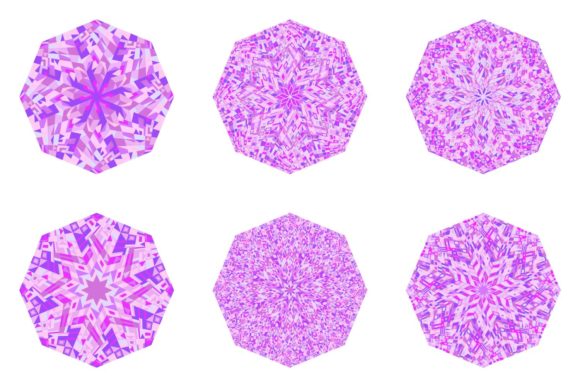
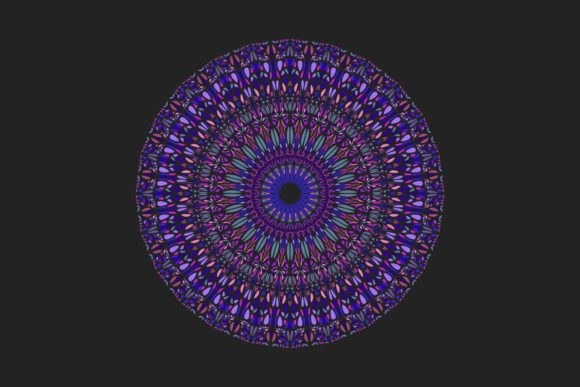
A geometric floral mandala design is distinct from traditional freehand floral illustrations. It is characterized by radial symmetry, where curved shapes and petal-like motifs repeat in a circular pattern around a central point. This structure creates a sense of balance, harmony, and infinite continuity that the human brain finds inherently pleasing. Unlike chaotic or asymmetrical patterns, these ornate abstract vector design elements provide a visual anchor. They serve as sophisticated backgrounds, focal points, or framing devices that convey elegance without overwhelming the primary content.
The "colorful round geometrical circular floral ornament" variation specifically addresses the need for vibrancy in modern design. While traditional mandalas may rely on monochromatic ink work, contemporary digital versions utilize complex color gradients and layered transparency. This evolution allows the design to function across diverse media, from spiritual wellness branding to vibrant packaging for consumer goods. Understanding this duality—structure versus expression—is the first step in effectively implementing these assets into your workflow.
Solving Common Design Challenges with Mandala Assets
Creative professionals often face specific hurdles when developing visual identities or marketing materials. A geometric floral mandala design offers practical solutions to several of these persistent issues:
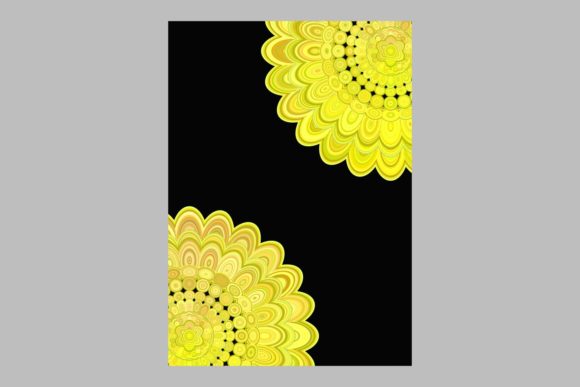
- Creating Visual Hierarchy: When a layout feels flat or unorganized, a centralized mandala acts as a natural focal point. It guides the viewer’s eye toward the center, making it ideal for album covers, certificate borders, or hero sections on websites.
- Bridging Cultural and Demographic Gaps: Because mandalas are rooted in universal geometric principles rather than specific cultural iconography (when kept abstract), they are excellent for global campaigns. They avoid the pitfalls of culturally specific imagery while still conveying depth and tradition.
- Filling Negative Space Elegantly: Empty space is necessary for readability, but sometimes it feels barren. A low-opacity, colorful round geometrical circular floral ornament can add texture and richness to negative space without reducing text legibility.
- Establishing Brand Sophistication: For brands in the wellness, beauty, or luxury sectors, generic stock photography often fails to communicate refinement. An ornate abstract vector design element signals craftsmanship and attention to detail that raster images cannot replicate.
Navigating File Formats: JPG vs. Vector AI/EPS
One of the most critical practical considerations for users is selecting the correct file format for the intended outcome. The availability of both 5000x5000 JPG and vector EPS/AI formats serves different stages of the production pipeline.
When to Use High-Resolution JPG (5000x5000)
The 5000x5000 pixel JPG is a powerhouse for immediate implementation. At this resolution, the file supports large-format printing up to approximately 16x16 inches at 300 DPI, or significantly larger sizes for web and digital displays. This format is best suited for:
- Digital marketing assets where file size and compatibility are priorities.
- Mockups and presentations where editability is not required.
- Print projects with fixed dimensions that fall within the resolution limits.
- Users who do not have access to vector editing software like Adobe Illustrator.
When to Utilize Vector EPS and AI Files
For professional adaptation, the vector EPS or AI file is indispensable. Because a geometric floral mandala design is composed of mathematical paths rather than pixels, vectors offer infinite scalability. More importantly, they offer editability. In a vector environment, you can isolate individual curved shapes, adjust the color palette to match exact brand guidelines, or remove specific layers to create a custom variation. This is essential for logo integration, merchandise production (such as screen printing or laser cutting), and large-scale environmental graphics like vehicle wraps or billboards.
Practical Applications Across Industries
The versatility of the colorful round geometrical circular floral ornament mandala art extends far beyond decorative filler. Different industries leverage these designs to achieve specific functional outcomes.
Wellness and Mindfulness Sectors: Yoga studios, meditation apps, and therapy practices use these designs to visually represent centering and balance. The repetitive nature of the geometry mirrors the practice of mindfulness. Here, softer color palettes and slower visual rhythms in the mandala design help reduce cognitive load and promote relaxation.
Packaging and Product Design: In the cosmetics and tea industries, an ornate abstract vector design element communicates natural ingredients and artisanal quality. Designers often use the mandala as a die-cut window frame or a foil-stamped accent on premium packaging. The vector format is crucial here to ensure crisp lines during the manufacturing process.
Event Stationery and Textiles: Wedding invitations, festival posters, and fabric prints rely heavily on radial symmetry. A geometric floral mandala design provides a ready-made composition that feels complete and intentional. For textile designers, the seamless tiling potential of these circular motifs allows for efficient pattern creation across yardage.
Implementation Strategies for Optimal Results
To get the most out of these resources, consider the following implementation strategies tailored to user needs:
- Respect the Center Point: When integrating a mandala into a layout, ensure the geometric center aligns with your grid. Off-center placement can create unintentional visual tension unless used as a deliberate artistic crop.
- Manage Color Saturation: A colorful round geometrical circular floral ornament can be intense. If using it behind text, apply a blending mode (like Multiply or Overlay) or reduce opacity to 10-20%. This retains the intricate detail of the curved shapes while maintaining WCAG accessibility standards for text contrast.
- Customize for Uniqueness: Avoid using the asset exactly as downloaded if it is a popular stock item. Use the AI/EPS file to recolor, rotate, or combine multiple mandalas to create a proprietary background texture. This prevents brand dilution and ensures your project stands out.
- Consider Print Finishes: These designs are exceptionally well-suited for special print treatments. The distinct separation of shapes in a geometric floral mandala design makes them perfect candidates for spot UV, embossing, or metallic foiling. Consult with your printer early to ensure line weights in the vector file meet minimum production specifications.
Tailoring the Approach to User Expertise
Your approach to these assets should align with your technical proficiency and project scope. Beginners and non-designers should focus on the high-resolution JPG assets, utilizing them as pre-composed backgrounds in tools like Canva or PowerPoint. The goal here is ease of use and immediate visual improvement without a steep learning curve.
Intermediate users and marketers should explore basic vector editing to adjust colors and scale. Learning to open an EPS file and modify fill colors can transform a generic asset into a branded element. This level of customization bridges the gap between stock utility and bespoke design.
Advanced designers and illustrators should treat the vector AI file as a foundational component rather than a finished product. Deconstruct the mandala to understand its underlying grid system. Use the curved shapes as building blocks for new compositions, or animate the individual layers for motion graphics. At this level, the geometric floral mandala design becomes a system of parts that fuels broader creative exploration.
Ultimately, whether you are seeking to enhance a digital interface, create tangible merchandise, or simply add beauty to a publication, the combination of geometry and floral artistry offers a robust solution. By understanding the technical distinctions between raster and vector formats and applying strategic design principles, you can transform these ornamental elements into powerful tools for visual communication. The key lies in viewing the mandala not just as decoration, but as a structured framework for organizing color, space, and meaning in your creative work.