Beautiful Floral Motifs on Parang Batik: Elevating Style with Simple Mocca Brown Designs
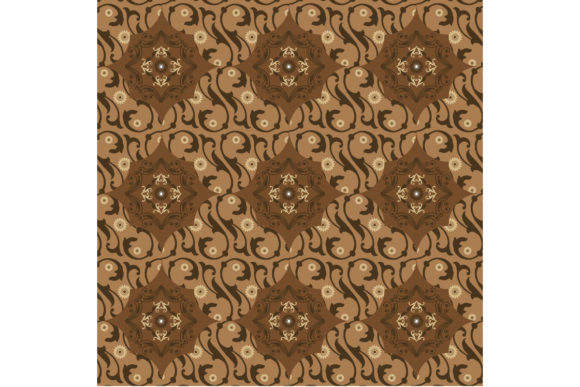
When we think of traditional Indonesian textiles, the bold, diagonal waves of the Parang motif often come to mind first. Historically reserved for royalty and symbolizing strength and continuity, the classic Parang can sometimes feel too imposing or formal for contemporary daily wear. This is where beautiful floral motifs on Parang batik create a transformative bridge between heritage and modern aesthetics. By intertwining delicate botanical elements with the structured geometry of the knife pattern, designers have softened the visual weight of the textile without sacrificing its cultural significance.
The specific application of a simple mocca brown color design further refines this aesthetic. Unlike high-contrast black and white or vibrant sogan dyes, mocca brown offers a neutral, earthy warmth that feels inherently sophisticated yet approachable. For adults navigating professional environments, social gatherings, or creative pursuits, this specific combination provides a versatile canvas. It respects tradition while offering a palette that integrates seamlessly into modern wardrobes and interior spaces. Understanding how to leverage this specific design variation opens up practical opportunities for styling, gifting, and cultural appreciation that go beyond mere ornamentation.
Redefining Professional Attire with Subtle Elegance
One of the most immediate real-world applications for beautiful floral motifs on Parang batik with simple mocca brown color design is in the corporate and professional sphere. Standard office attire often leans toward safe neutrals, but incorporating batik can sometimes clash with minimalist business aesthetics if the pattern is too loud. The mocca brown floral-Parang hybrid solves this dilemma by acting as a textured neutral rather than a statement print.
For professionals aged 25 to 45, this design serves as an excellent alternative to standard blazers or silk blouses. The floral insertion breaks up the repetitive diagonal lines of the Parang, creating a visual rhythm that is interesting from a distance but not distracting during close-quarter meetings. When styled with cream, beige, or charcoal trousers, the mocca tone anchors the outfit. It signals cultural pride and sartorial intention without overwhelming the professional setting. This is particularly useful for client-facing roles where building rapport through cultural connection is valuable, yet maintaining a polished, non-theatrical appearance is necessary.
Versatility Across Gender and Age Demographics
A significant strength of the simple mocca brown palette is its gender-neutral adaptability. While intricate florals are sometimes stereotyped as feminine, the structural backbone of the Parang combined with the muted brown tone makes this collection highly wearable for men as well. For male professionals, a kemeja (shirt) featuring this motif offers a refined alternative to plain solids for semi-formal events or Friday office wear. The brown hue complements a wide range of skin tones and pairs effortlessly with navy chinos or dark denim, making it a practical staple rather than a costume piece.
Similarly, for younger adults entering the workforce or attending university, this design avoids the "dated" perception that sometimes plagues traditional textiles. The fusion of floral softness with geometric precision aligns with current trends favoring organic modernism. It allows younger wearers to participate in cultural dress codes at weddings or family gatherings without feeling like they are wearing their grandparents' clothes. The mocca brown acts as a contemporary filter, making the heritage motif feel fresh and relevant to a generation that values both authenticity and modern design sensibilities.
Practical Considerations for Styling and Pairing
Choosing beautiful floral motifs on Parang batik requires a thoughtful approach to coordination. Because the mocca brown design already contains two distinct visual elements—the wave and the flower—styling should aim to balance rather than compete. Here are practical observations for getting the most out of this collection:
- Solid Color Partners: Let the batik be the focal point. Pair mocca brown batik with solids in ivory, sage green, dusty pink, or slate grey. Avoid pairing it with other busy prints, as the floral-Parang combination has enough internal complexity to stand alone.
- Texture Over Pattern: If you want to add depth to an outfit, rely on fabric texture rather than additional patterns. Linen trousers, raw silk skirts, or matte cotton blazers complement the sheen of batik without creating visual noise.
- Accessory Metals: Mocca brown is uniquely versatile with jewelry. Gold accents enhance the warmth and traditional feel, while silver or brushed brass leans into a more modern, industrial aesthetic. Rose gold also bridges the gap beautifully with the brown undertones.
- Footwear Choices: For casual settings, white leather sneakers create a chic contrast against the traditional mocca brown. For formal occasions, tan or cognac leather shoes maintain the monochromatic warmth, whereas black shoes can sometimes look too harsh against the soft brown dye.
Beyond Fashion: Interior Design and Creative Applications
The utility of beautiful floral motifs on Parang batik extends well beyond personal apparel. In interior design, the simple mocca brown colorway is exceptionally functional. Brightly colored batiks can dominate a room and limit future decorating options, but mocca brown serves as a grounding element. Throw pillows, table runners, or wall hangings featuring this motif add cultural texture to Scandinavian, Japandi, or Bohemian interiors without clashing with existing furniture.
For event planners and couples designing wedding aesthetics, this collection offers a cohesive theme that feels organic rather than staged. Table linens in mocca brown floral-Parang pair beautifully with dried florals, wooden chargers, and candlelight. It creates an atmosphere of understated luxury that photographs well in various lighting conditions. Unlike brighter dyes that may shift color temperature under flash photography, the stable brown tone remains consistent, ensuring the visual memory of the event matches the reality.
Creative professionals and artisans also find value in this specific design language. Graphic designers and illustrators often reference these hybrid motifs when creating branding for wellness, culinary, or lifestyle businesses that wish to evoke Indonesian heritage without relying on clichés. The balance of structure (Parang) and nature (floral) visually communicates harmony and sustainability, making it a powerful semiotic tool for brand identity.
Navigating Quality and Authenticity
When selecting items from this collection, understanding the production method impacts both the aesthetic and the longevity of the piece. Hand-drawn batik tulis will feature slight irregularities in the floral details and the Parang lines; these imperfections are hallmarks of authenticity and add a human touch that machines cannot replicate. The mocca brown in tulis batik often has greater depth and variation due to the multiple dyeing processes.
Conversely, batik cap (stamped) offers perfect symmetry and is generally more affordable, making it suitable for items that require uniformity, such as corporate uniforms or large-scale home decor. However, buyers should be mindful of printed imitations that lack wax-resist dyeing entirely. These prints often have flat, lifeless brown colors and stiff fabrics. For those seeking the true experience of beautiful floral motifs on Parang batik, verifying the presence of wax residue scent or the characteristic bleed-through on the reverse side of the fabric ensures the investment supports genuine craft traditions.
Maintenance and Longevity of Earth Tones
While mocca brown is forgiving regarding stains compared to white or pastels, it does require specific care to maintain its richness. Natural dyes used in authentic batik can fade if exposed to direct sunlight for prolonged periods or washed with harsh detergents. To preserve the beauty of the floral and Parang interplay, hand washing with mild soap specifically formulated for batik is recommended. Avoid wringing the fabric, as this can distort the alignment of the diagonal motifs.
Storage is equally important. Keeping these textiles away from direct light prevents the brown from shifting toward orange or grey over time. For those using this collection in rotation for professional wear, having two or three pieces allows for adequate rest between uses, preserving the fiber integrity. Treating these garments as long-term investments rather than fast fashion aligns with the sustainable ethos inherent in traditional textile arts.
Ultimately, the intersection of beautiful floral motifs on Parang batik with a simple mocca brown color design represents a mature evolution of Indonesian textile art. It acknowledges the past while actively solving present-day styling and design challenges. Whether worn to a boardroom meeting, draped over a sofa, or used as inspiration for a creative project, this collection proves that tradition need not be static. It offers a practical, elegant solution for those who wish to carry cultural narratives forward in a way that feels effortless, grounded, and distinctly modern.