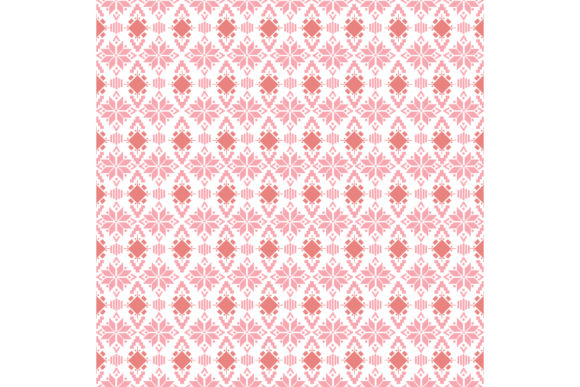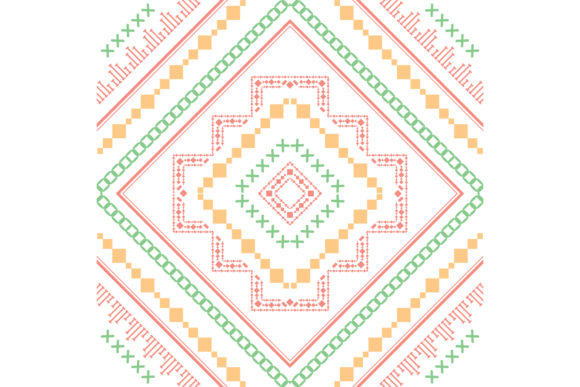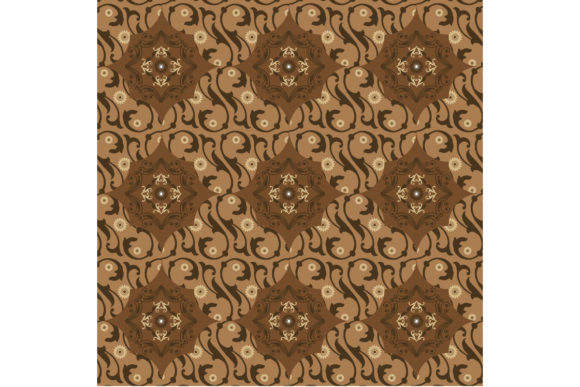
Beautiful Design Embroidery Floral: Elevating Living Room Aesthetics Through Textile Art
The integration of textile art into interior architecture has shifted from mere decoration to a fundamental component of spatial design. When considering the transformation of a living area, the application of Beautiful Design Embroidery Floral motifs serves as a sophisticated bridge between traditional craftsmanship and contemporary aesthetics. Unlike printed fabrics, embroidered textiles introduce a tactile dimension that interacts with light and shadow, creating a dynamic visual experience that changes throughout the day. For professionals in interior design, educators studying textile history, and homeowners seeking to curate a meaningful environment, understanding the nuances of floral embroidery is essential for achieving a balanced and enduring living room collection.
The Tactile Advantage in Modern Interiors
In an era dominated by smooth digital screens and minimalist surfaces, the human eye craves texture. The primary advantage of incorporating beautiful design embroidery floral elements into a living room lies in this sensory engagement. Embroidery adds physical relief to flat surfaces, breaking up visual monotony without relying on loud colors or chaotic patterns. This textural complexity signals quality and intentionality to observers, whether they are potential clients viewing a staged property or guests enjoying a residential space.
From a practical standpoint, high-quality embroidery also offers durability that surpasses many printed alternatives. The density of the stitching reinforces the base fabric, making embroidered throw pillows, upholstery, and wall hangings more resistant to wear in high-traffic living areas. For business owners in the hospitality sector or creators designing long-lasting home goods, this intersection of aesthetic beauty and structural integrity represents a significant value proposition. The raised threads catch ambient lighting differently than the background fabric, allowing neutral color palettes to remain visually interesting and preventing the "flat" look that often plagues modern beige or grey interiors.
Curating a Cohesive Living Room Collection
A successful Beautiful Design Embroidery Floral implementation requires treating individual pieces as part of a larger ecosystem rather than isolated accents. Building a cohesive collection involves careful consideration of scale, placement, and negative space. Professionals and hobbyists alike should approach this curation through specific organizational frameworks to avoid visual clutter.
Establishing Hierarchy Through Scale
Not all floral motifs serve the same function within a room. Establishing a clear hierarchy ensures that the embroidery enhances the space rather than overwhelming it.
- Anchor Pieces: Large-scale botanical embroidery on statement armchairs or area rugs serves as the focal point. These pieces typically feature bold, continuous designs that ground the seating arrangement.
- Secondary Layers: Medium-sized floral patterns on lumbar pillows or ottomans provide support to the anchor piece. These should complement the primary motif in color or style but differ in scale to create rhythm.
- Accent Details: Subtle, tonal embroidery on curtain hems or table runners acts as a finishing touch. These elements tie the collection together without demanding direct attention.
Balancing Organic Forms with Architectural Lines
Living rooms are defined by rigid architectural lines—walls, windows, and furniture frames. Floral embroidery introduces organic, flowing forms that soften these hard edges. However, balance is critical. If a room features curved furniture and arched doorways, a structured, geometric floral embroidery pattern may be necessary to prevent the space from feeling amorphous. Conversely, in a room with stark modernist lines, loose, impressionistic beautiful design embroidery floral work provides necessary contrast. Researchers and designers often note that the most successful interiors utilize this tension between the built environment and the applied textile art to create psychological comfort.
Material Selection and Technical Considerations
The impact of floral embroidery is heavily dependent on the materials used. Understanding fiber content and stitch types allows for informed decision-making regarding maintenance, longevity, and visual effect. This technical knowledge is particularly relevant for educators teaching textile arts and consumers investing in premium home decor.
Natural vs. Synthetic Threads
The choice of thread dictates how the embroidery ages and interacts with the living environment. Silk threads possess a natural luster that reflects light, making them ideal for formal living spaces where ambiance is paramount. However, silk requires protection from direct sunlight to prevent fading. Cotton and linen threads offer a matte finish that aligns well with rustic, bohemian, or Scandinavian design philosophies. They are generally more washable and resilient to UV exposure. Synthetic threads, while durable and colorfast, can sometimes appear overly shiny or plastic-like in natural daylight. For a Beautiful Design Embroidery Floral collection intended for daily use, blended threads often provide the optimal compromise between sheen and durability.
Stitch Density and Fabric Weight
The relationship between the embroidery and the base fabric determines the drape and feel of the item. Heavy embroidery on lightweight linen can cause puckering and distortion, ruining the silhouette of curtains or cushion covers. Conversely, delicate stitching on heavy velvet may disappear visually. Professionals must ensure that the stitch density matches the weight of the substrate. In living room applications, where comfort is key, avoiding excessively dense stitching on seating surfaces is advisable to maintain ergonomics. Decorative wall panels or non-weight-bearing pillows allow for higher density and more intricate beautiful design embroidery floral techniques like stumpwork or goldwork, which add dramatic three-dimensional effects.
Cultural Resonance and Stylistic Versatility
Floral embroidery carries deep cultural significance, ranging from English Jacobean crewelwork to Japanese Sashiko and Indian Chikankari. Recognizing these origins adds depth to a living room collection and prevents superficial appropriation. For researchers and culturally conscious consumers, selecting embroidery that respects its lineage transforms decor into storytelling.
A Beautiful Design Embroidery Floral piece does not have to be strictly traditional to honor its roots. Contemporary designers frequently reinterpret heritage techniques using modern colorways or abstracted botanical forms. This versatility makes floral embroidery suitable for diverse living room styles:
- Maximalist Eclecticism: Layering vintage embroidered textiles with modern furniture creates a collected-over-time aesthetic rich in narrative.
- Japandi Minimalism: Using monochromatic, sparse floral embroidery on natural linens supports the philosophy of functional beauty and mindfulness.
- Transitional Spaces: Classic floral motifs rendered in unexpected, muted tones bridge the gap between traditional architecture and contemporary furnishings.
This adaptability ensures that investment in embroidered textiles remains relevant even as broader design trends shift. Unlike trendy prints that date quickly, well-executed embroidery possesses a timeless quality rooted in centuries of human expression.
Maintenance and Preservation Strategies
To preserve the integrity of a beautiful design embroidery floral collection, specific care protocols must be followed. Neglect can lead to snagging, color bleeding, or structural failure of the stitches. Business owners managing rental properties or vacation homes should establish clear cleaning guidelines to protect assets.
Vacuuming embroidered items should always be done with a mesh screen over the nozzle to prevent suction from pulling threads loose. Spot cleaning is preferable to immersion washing whenever possible, as water can cause shrinkage differences between the thread and the base fabric. For valuable antique or artisan pieces, professional textile conservation is recommended over standard dry cleaning. Display considerations also matter; rotating embroidered cushions and wall hangings seasonally reduces prolonged stress on specific fibers and ensures even light exposure. By treating these textiles as art objects rather than disposable commodities, owners extend their lifespan and maintain the elevated atmosphere they contribute to the living room.
Sourcing Ethically and Supporting Artisans
The market for floral embroidery spans mass-produced factory goods to bespoke artisan creations. For those prioritizing E-E-A-T principles in their purchasing decisions, verifying the origin and production methods is crucial. Mass-market embroidery often lacks the nuance and durability of hand-finished work, and the low cost frequently comes at the expense of fair labor practices.
Supporting independent makers and certified fair-trade cooperatives ensures that the Beautiful Design Embroidery Floral pieces in your living room carry positive social impact. Artisan-made items often feature unique variations that add character impossible to replicate mechanically. For business owners and designers, sourcing ethically becomes a selling point and a mark of distinction. It demonstrates a commitment to sustainability and cultural preservation that resonates with increasingly conscientious consumers. Whether purchasing directly from creators or through reputable galleries, asking questions about technique, materials, and maker compensation fosters a healthier ecosystem for this vital art form.
Integrating Embroidery into Functional Zones
Finally, the placement of embroidered florals should align with the functional zones of the living room. In reading nooks, textured embroidery on chair backs provides tactile feedback that enhances relaxation. Near media centers, where visual stimulation is already high, simpler and flatter embroidery avoids competing with screen content. In conversation areas, interactive pieces like embroidered floor cushions invite touch and closeness, facilitating social connection.
Understanding these micro-interactions elevates the application of beautiful design embroidery floral beyond surface-level styling. It acknowledges that a living room is a machine for living, where every element should support the activities occurring within it. By aligning the intensity and type of embroidery with the zone's purpose, designers and homeowners create environments that are not only visually stunning but profoundly livable. This holistic approach ensures that the beauty of the embroidery serves the people inhabiting the space, fulfilling the ultimate goal of thoughtful interior design.